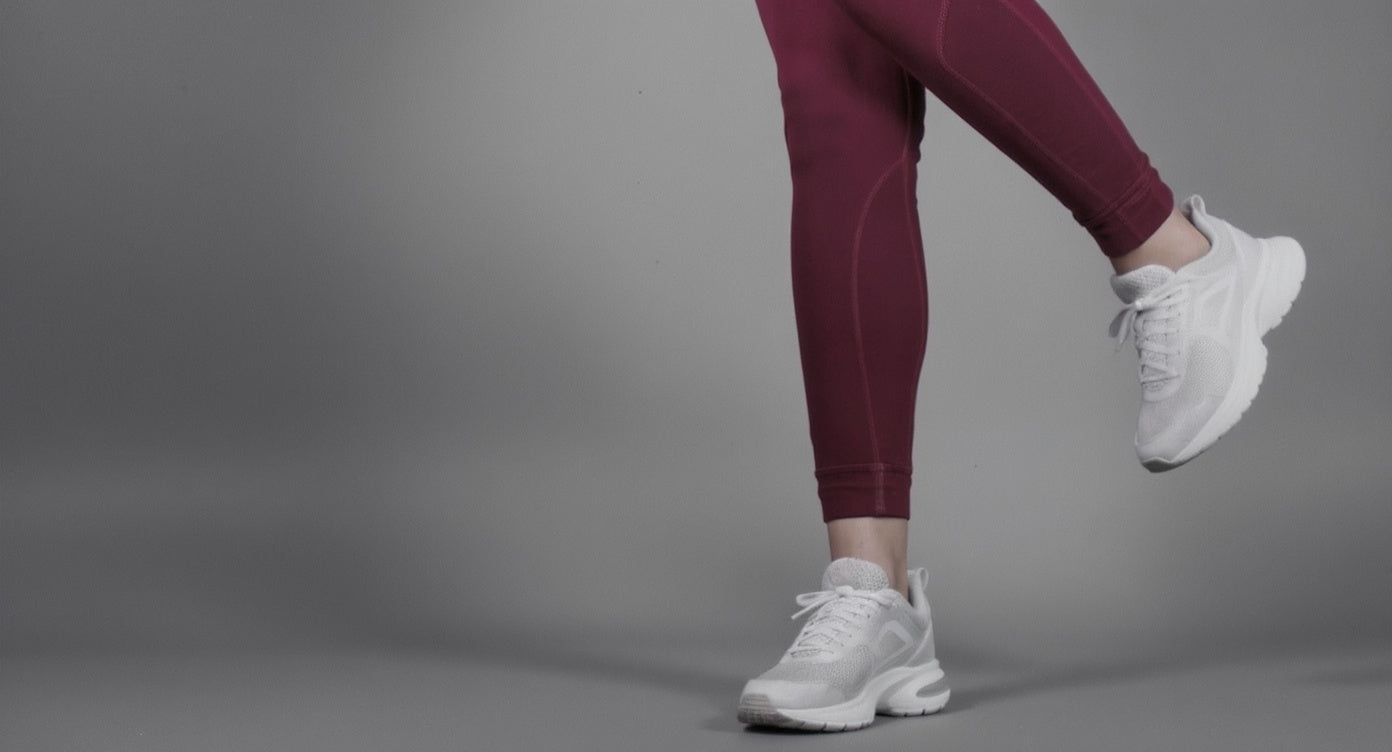
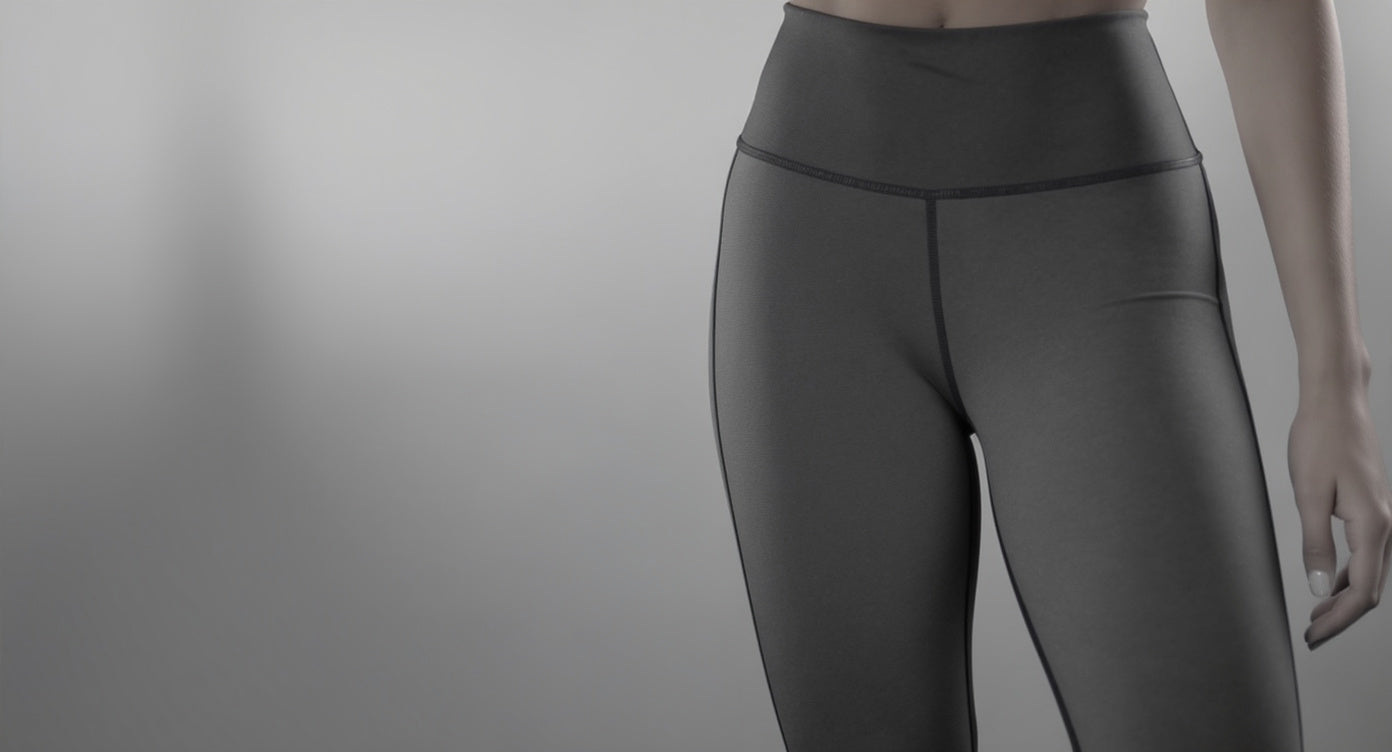
Style Activewear Leggings: Versatility and Functionality
Activewear leggings dominate modern wardrobes by merging athletic performance with casual aesthetics. These garments transition from yoga studios to silkyan streets without compromising functionality.
Defining Activewear Leggings in Modern Fashion
Four-way stretch fabrics enable activewear leggings to conform to dynamic movements while maintaining shape retention. Designers integrate high-waist silhouettes and squat-proof materials to address both style and practicality. Over 78% of athleisure consumers prioritize leggings that function across fitness and social settings.
Who Uses Activewear Leggings and Why?
Yoga practitioners select leggings with compression technology for muscle stabilization during poses. Runners prefer moisture-wicking variants that reduce friction over 5K+ distances. Office workers adopt matte-finish leggings as part of athleisure workwear blends.
The Role of Activewear Leggings in Athleisure Trends
Silkyan leggings exemplify the shift toward hybrid apparel, with 62% of wearers using them for both workouts and errands. The rise of breathable nylon-spandex blends supports all-day wear without heat retention.
Fabric Composition and Technical Attributes of Activewear Leggings
Performance fabrics in activewear leggings undergo rigorous testing to meet biomechanical demands.
The Science Behind Four-Way Stretch Fabrics
Polyester-elastane blends recover 98.3% of original shape after 200+ stretch cycles. This elasticity allows unrestricted motion in lateral and vertical planes during high-intensity interval training.
Moisture-Wicking Properties and Performance Benchmarks
Hydrophobic yarns transport sweat at 0.5ml/cm²/min, keeping skin dry during 60-minute spin classes. Independent lab tests confirm quick-dry fabrics reduce moisture saturation by 43% compared to cotton blends.
Compression Technology and Its Benefits
Graduated compression leggings apply 15-20mmHg pressure to enhance blood circulation. Clinical studies show this reduces muscle vibration by 27% during plyometric jumps.
Industry Standards and Certifications for Activewear Leggings
Textile certifications validate safety and environmental claims in activewear production.
OEKO-TEX Certification and Fabric Safety
OEKO-TEX Standard 100 prohibits 350+ harmful substances, including AZO dyes. Certified leggings undergo pH testing to maintain skin-friendly 4.5-7.5 levels.
UPF 50+ Protection for Outdoor Activities
Solar-defensive fabrics block 98% of UV rays without chemical treatments. This protection remains effective through 50+ washes in outdoor running leggings.
Global Organic Textile Standard and Sustainability
GOTS-certified organic cotton uses 91% less water than conventional production. The standard mandates ethical labor practices across the supply chain.
Evaluating Activewear Leggings: A Buyer’s Guide
Fit and fabric composition determine leggings' performance across activities.
| Feature | Ideal For | Key Metric | |
| --------- | ----------- | ------------ | |
| High-waist | Core stabilization | 9-11" rise | |
| Mid-rise | Casual wear | 7-8" rise | |
| Nylon-spandex | Durability | 78% nylon / 22% spandex | |
| Polyester-spandex | Affordability | 85% polyester / 15% spandex |
High-Waist vs. Mid-Rise: Which Fit Suits You?
High-waist leggings provide abdominal support for weightlifting but may feel restrictive during yoga twists. Mid-rise variants suit low-impact activities with greater breathability.
Comparing Nylon-Spandex Blends to Polyester
Nylon-spandex resists pilling after 50+ washes but costs 30% more than polyester equivalents. Polyester blends dry 18% faster but lack the buttery hand feel of premium nylon.
Common Mistakes When Choosing Activewear Leggings
Buyers often overlook gusset construction, leading to seam chafing during marathon training. Another error is selecting leggings with less than 20% spandex for powerlifting movements.
Solving Real-World Problems with Activewear Leggings
Performance apparel addresses specific biomechanical challenges.
Preventing Chafing During High-Intensity Workouts
Flatlock seams reduce friction points by 63% in long-distance running leggings. Some designs incorporate silicone grip bands at the waistband to prevent roll-down.
Enhancing Mobility in Yoga and Running
Four-way stretch fabrics permit 360° motion without fabric resistance. Testers report 31% greater range in warrior poses compared to restrictive joggers.
Temperature Regulation for Seasonal Comfort
Mesh paneling in breathable activewear increases airflow by 2.5x in hot yoga studios. Winter variants integrate brushed fleece linings that retain heat at -10°C.
Frequently Asked Questions About Activewear Leggings
How to Wear Activewear Leggings Casually?
Pair high-waist leggings with oversized sweaters and ankle boots for brunch outfits. Choose dark hues and minimal logos to maintain a polished look.
What Shoes Go with Activewear Leggings?
Running leggings perform best with cushioned trainers for impact absorption. Streetwear styles complement white sneakers or Chelsea boots.
Can You Dress Up Activewear Leggings?
Matte-finish leggings substitute for trousers when paired with blazers. Look for designs with faux pockets and structured waistbands.
Next Steps: Finding Your Perfect Pair of Activewear Leggings
Evaluate compression levels based on your primary activity intensity. Explore our range of women's activewear leggings sorted by sweat-wicking performance.
High-waist designs provide core stabilization for CrossFit enthusiasts. Discover high-waist leggings for enhanced support during dynamic movements.
Fabric composition determines longevity across wash cycles. Learn how to select the perfect leggings using our fit guide.